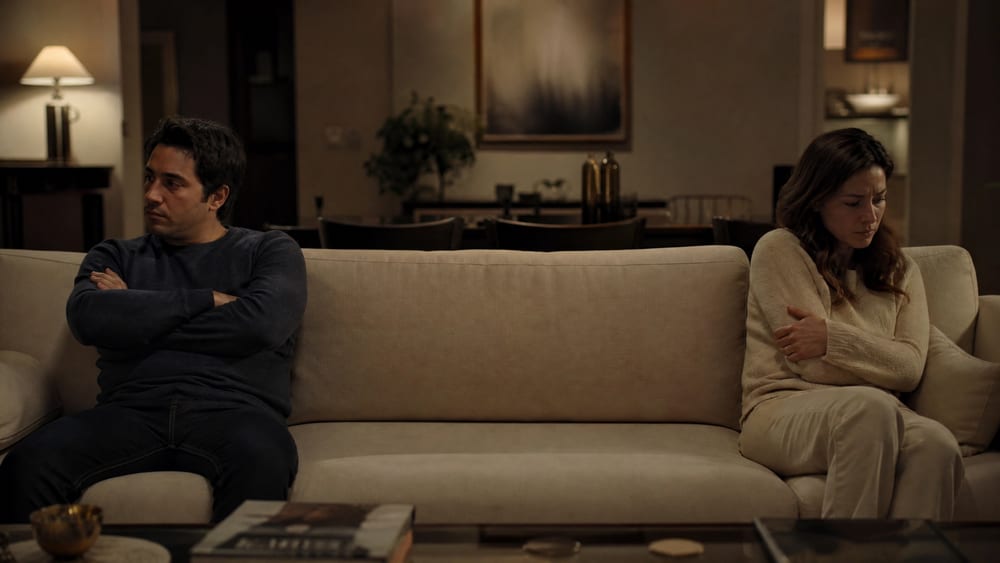
A woman named Rebecca came to me four days after an argument that had not ended so much as run out of steam. She and her partner had stopped mid-sentence, and then he had gone quiet. No slammed doors. No walking out. Just nothing.
“I don’t know if he’s punishing me or if he’s done,” she said.
He was doing neither. He had hit the wall where words stop working. He was waiting on the other side of it.
Quick answer: When a man goes quiet after a fight, he has almost always run out of the right words before the argument was finished. The silence is not punishment. It is the honest result of not having anything useful to say yet.
- He is not deciding the relationship is over
- He is not stewing or holding a grudge deliberately
- He needs the internal circuit to reset before he can come back
- One warm, low-pressure reach from you is fine. After that, wait.
Most men surface from post-fight quiet within hours to a day. If it stretches past two or three days with no warmth at all, that is a different situation.
Why words run out during a fight
Women process through language. Talking through a problem is the process itself. Speaking it out loud is how she moves through it.
For most men, it works the other way. He has to reach some kind of internal resolution before he can put words to it. A fight that escalated before he got there leaves him stuck. A problem he has not solved, with no words that would help him solve it out loud.
He goes quiet not because he is finished with you. He goes quiet because he is still in the middle of something he cannot explain yet.
For the full picture of what drives this pattern, read why he pulls away: the complete guide.
What is happening inside him after the fight
He sat in the car for ten minutes without turning the key. Not because he was planning anything to say. He was trying to locate where the argument had gone wrong. From his side it had started somewhere different than it started from hers. That was harder to sort out than it sounded. He knew that if he walked back in before he had figured that out, the same thing would happen again. Every sentence that came into his head sounded defensive. He did not want to be defensive. He wanted to get it right this time. He did not have it right yet.
That is the most common version. He is not abandoning the relationship. He is trying to get back to a place where he can re-enter it without making things worse.
Why it looks like punishment when it is not
When a woman goes quiet after a fight, it usually means hurt. So when he goes quiet, she reads it through the same lens.
The silence must mean he is furious. Or she crossed a line. Or he is not coming back from this one.
None of that is what is happening. His quiet is not directed at her. He would go quiet after this kind of argument regardless of who he was with. That is how he is built. He needs to settle internally before he can connect externally again.
That is the part that gets lost in translation.
For a closer look at what he is actually carrying during that silence, what he is actually feeling when he goes quiet covers that directly.
What makes the quiet last longer
The thing most likely to extend his silence is pressure to end it.
Every text asking if he is okay, every question about where things stand, every “so are we going to talk about this” costs him something. Because he is already managing the unresolved weight of the argument. Adding “now she thinks I am punishing her” is more weight on top of what he is already carrying.
He is not trying to hurt her by not answering. He just does not have a useful answer yet. And pressing him for one before he has it tends to produce answers that make things worse, not better.
What to do while he is quiet
One low-pressure reach is fine. Something warm with no weight attached, no unresolved content hiding inside it. A brief message that signals you are okay without requiring a response.
After that, wait.
Not as a game. Not as a strategy. Because adding more words before he has something to say with them tends to restart the argument before it is actually finished.
The fastest way out of post-fight quiet is through it.
If you are not sure whether what you are dealing with is ordinary processing or something that needs more attention, space vs. withdrawal: how to tell the difference gives you a way to read which one you are looking at.
If you want to talk through whether your husband’s quiet is him working it out or him shutting the door, you can book a call with me.
Always on your side, Bob Grant
Bob Grant is a Professional Life Coach (PLC) with over twenty years of experience working with women on marriage, attraction, and reconciliation. He is the author of five relationship programs including The Woman Men Adore, What’s He Really Thinking, and The Bonding Stages. More about Bob is on the about page. The full editorial process for this blog is in the editorial policy. Please read the disclaimer before applying anything in this article to your own life.
Last updated: 2026-05-25.
Frequently asked questions
Why does he go quiet after a fight?
Most men go quiet after a fight because they have hit the limit of what they can process and say at the same time. The argument opened something they have not resolved yet, and more words before that resolves tends to make it worse. The quiet is processing time, not punishment.
Is the silent treatment the same as going quiet after a fight?
Not usually. The silent treatment is a deliberate choice to withhold as a way of controlling or punishing. Going quiet after a fight is usually not deliberate at all. He does not have anything useful to say yet, and he knows that saying something wrong will restart the argument. The difference shows up in his warmth level when you are in the same room.
How long does a man need to be quiet after a fight?
For most men, the quiet period lasts a few hours to a day. If it stretches past two or three days with no warmth and no signal that things are moving forward, that is worth a different kind of attention. Ordinary processing does not last that long.
Should I reach out to him when he goes quiet after a fight?
One low-pressure, warm reach is fine. Something with no weight and no unresolved content attached. After that, let him come back on his own timeline. Repeated reaching tends to restart the argument before he is ready to finish it.
Does going quiet after a fight mean he wants to break up?
Almost never. A man who is considering leaving does not go quiet after a fight. He stays distant after the fight has apparently resolved, across days and weeks, regardless of whether things feel okay on the surface. Post-fight silence is almost always about processing a single argument, not about the future of the relationship.
Why does his silence feel like rejection even when it is not meant that way?
When a woman goes quiet after a fight, it usually signals unresolved hurt or emotional withdrawal. So when he goes quiet, she reads it through the same lens. Men and women use silence differently, and the mismatch is real. His quiet is not the same signal as hers would be.